Star Gate as scene machine
The cinematic gate is a threshold with ritual hardware: symbols, sequence, horizon, plunge. SHAGATE preserves that dramaturgy, but swaps alien stone for storage media, optical signal, and checksum-lit water.
A nonlocal boot disk for the star gate problem
A portal theory where SHA-256 becomes the puddle: a glittering hash membrane, pixel-liquid, optical waveguide, fictional device, and civilizational analogue computer trying to phase-lock matter to signal.
The standard reading of SHA-256 is austere: a deterministic compression function, useful because it is hard to reverse and easy to verify. SHAGATE keeps that technical truth intact, then asks a stranger question: what if the irreversible-looking surface is the visible skin of a deeper address space?
The active gate is imagined as a bit-plane ocean. It sparkles because the membrane is continuously resolving candidate worlds into checksummed coherence. Pixels flicker, collapse, reassemble, and briefly become recognizable interfaces before dissolving back into entropy.
The cinematic gate is a threshold with ritual hardware: symbols, sequence, horizon, plunge. SHAGATE preserves that dramaturgy, but swaps alien stone for storage media, optical signal, and checksum-lit water.
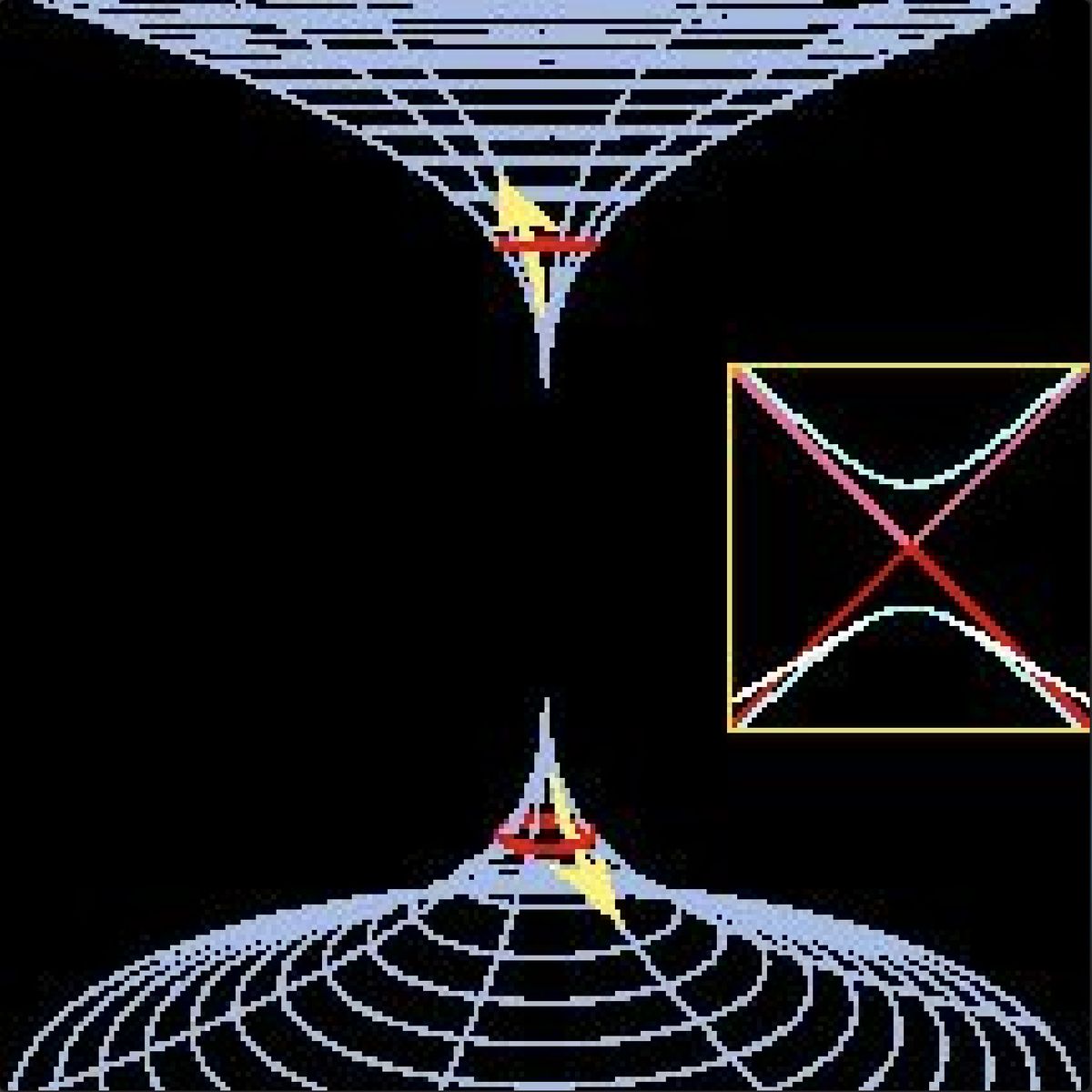
Wormholes remain speculative, but the useful physical metaphor is stricter: coherence, resonance, waveguides, interferometry, and boundary conditions. Travel begins as alignment before it becomes translation.
The project frame is analogue supercomputing at planetary scale: optical photonics harmonized with natural fields, not to escape computation, but to make computation behave more like field participation.
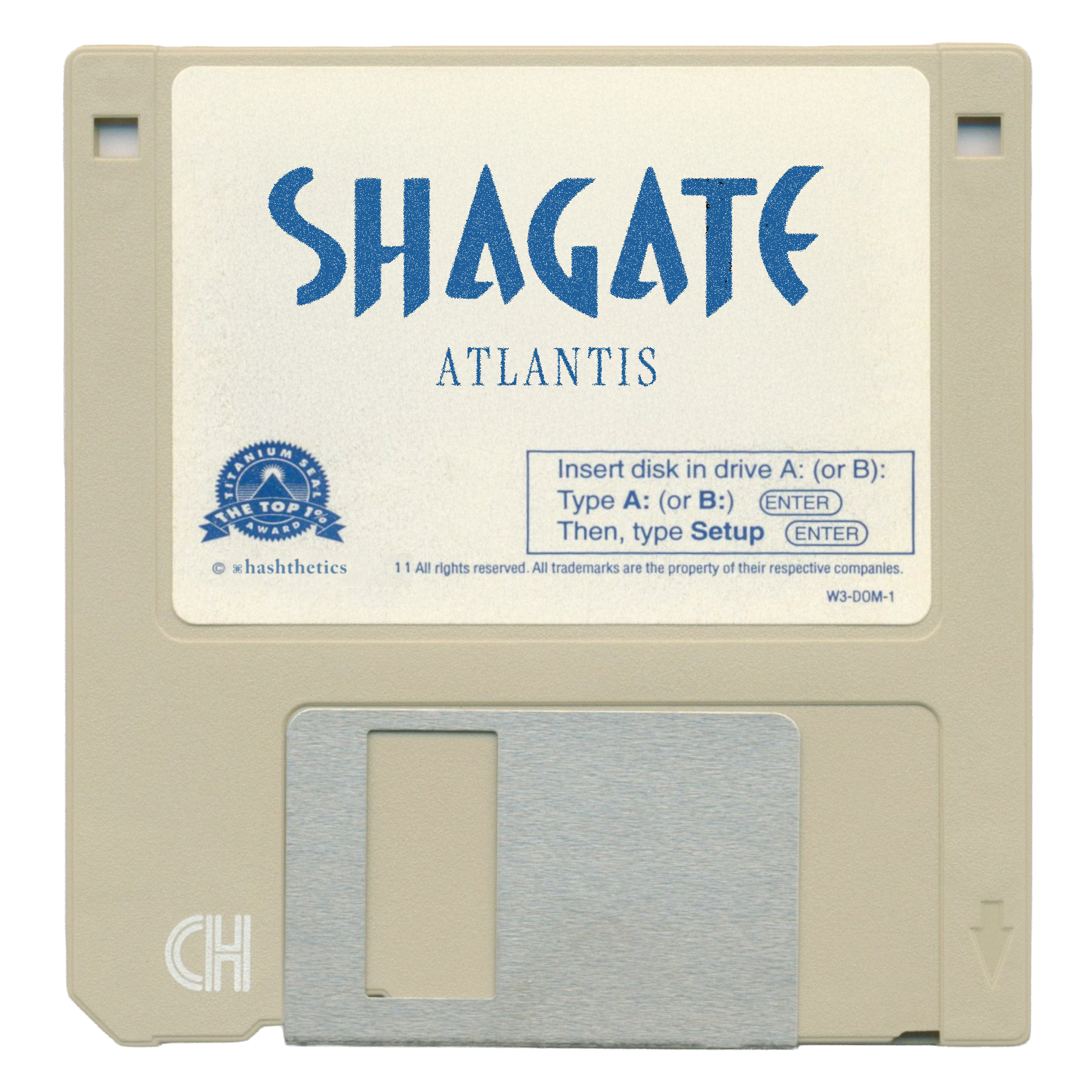
This is the better move: not a sleek future portal, but an old disk labelled Atlantis. The obsolete medium makes the claim sharper. A gate is not only a machine for going elsewhere. It is a format that survived long enough to be mistaken for a relic.
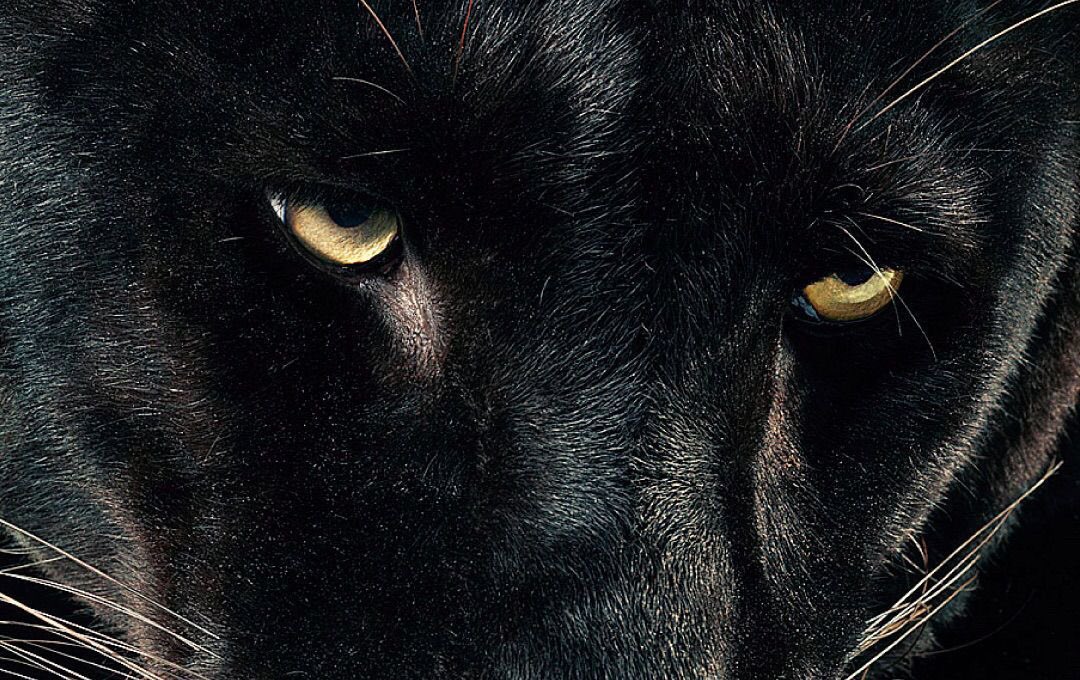
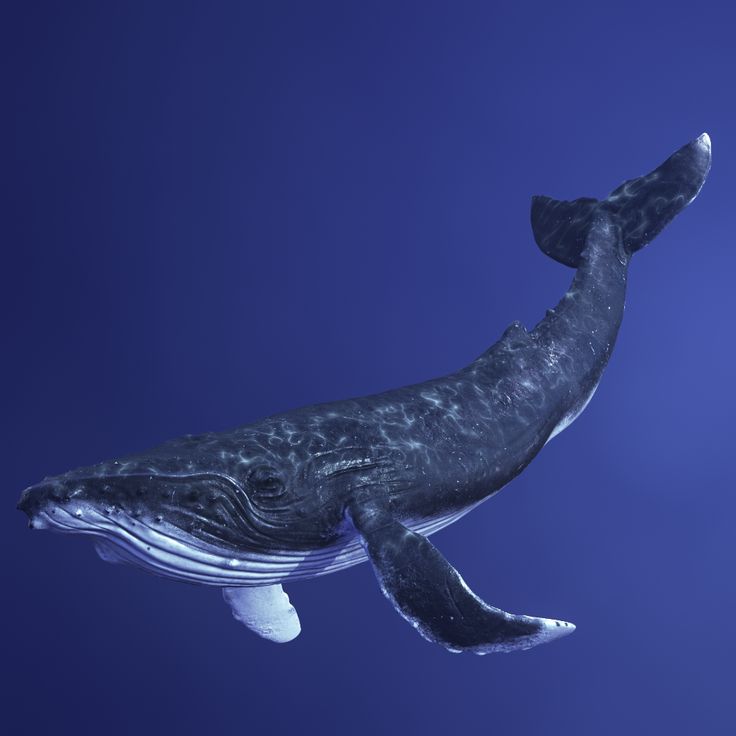
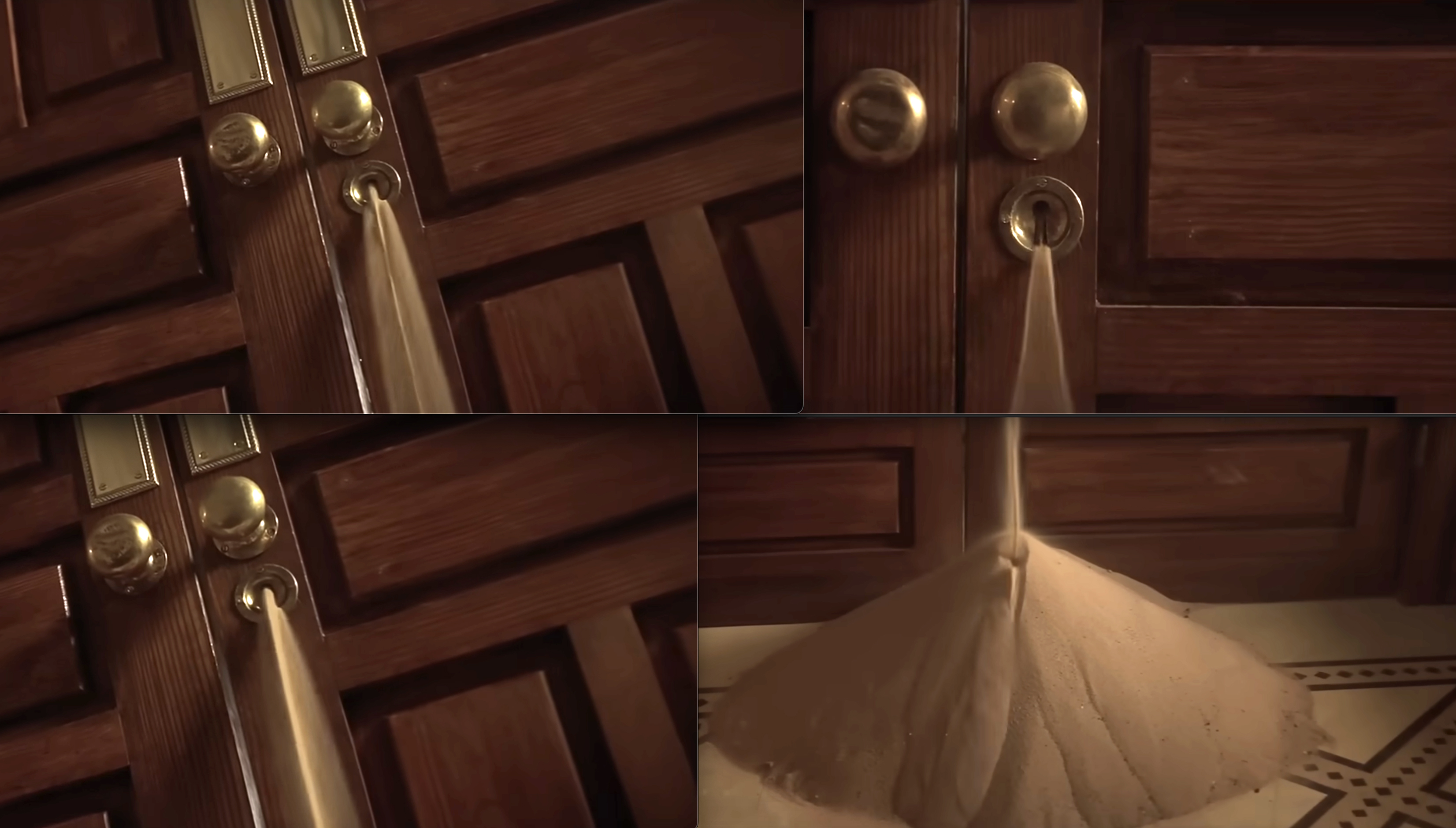
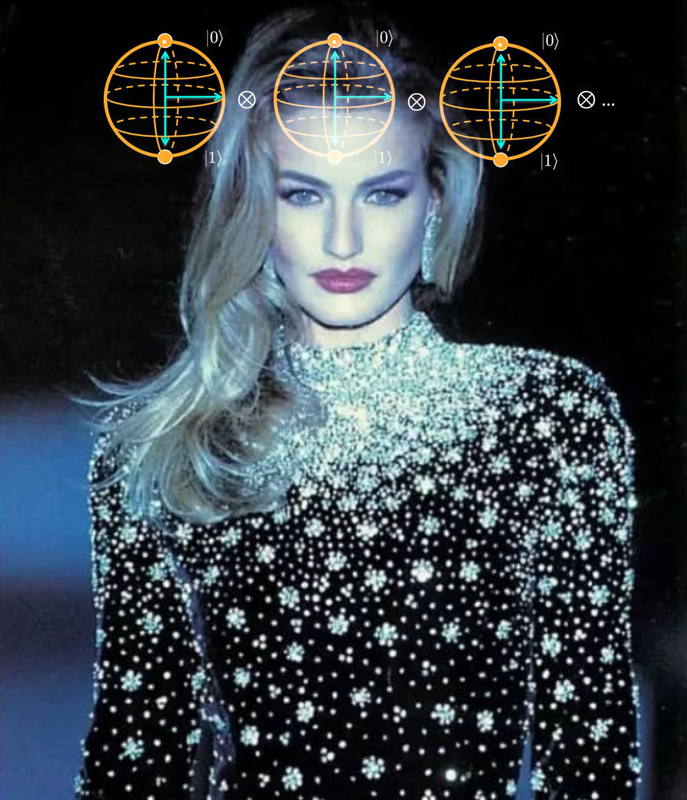
SHAGATE's image grammar moves between caves, planets, whales, Pleiades, eye-beams, sand, and glass. The point is not collage. It is a map of threshold states: looking through, diving under, crossing over, booting into.
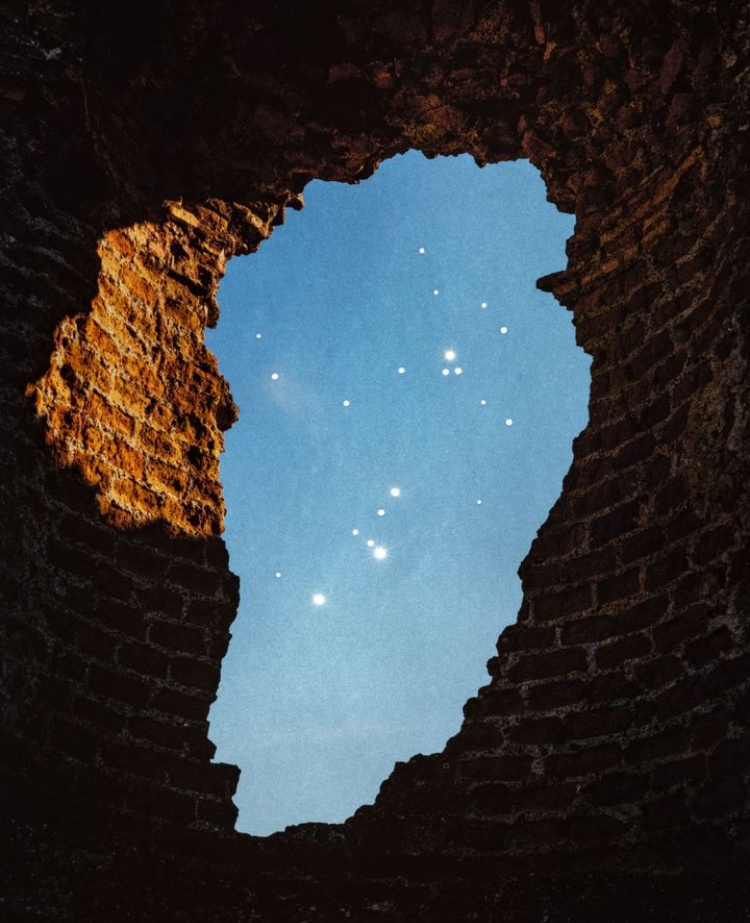
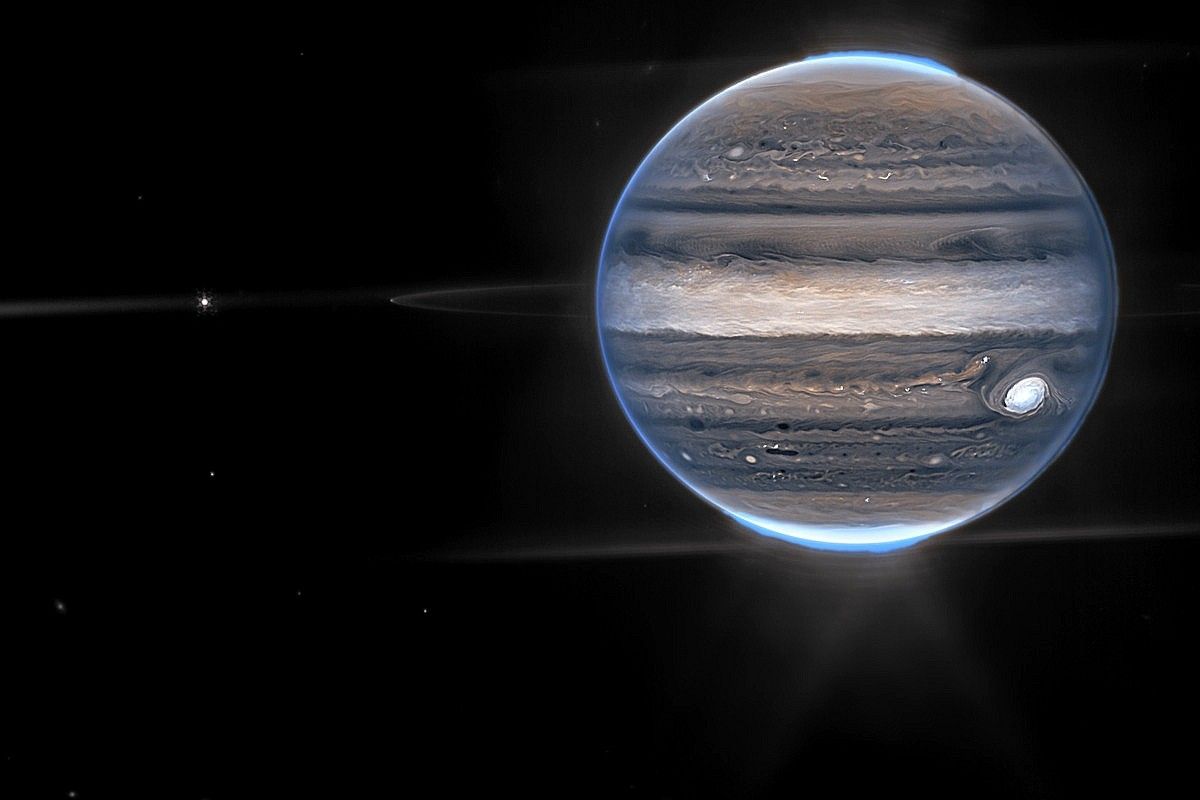
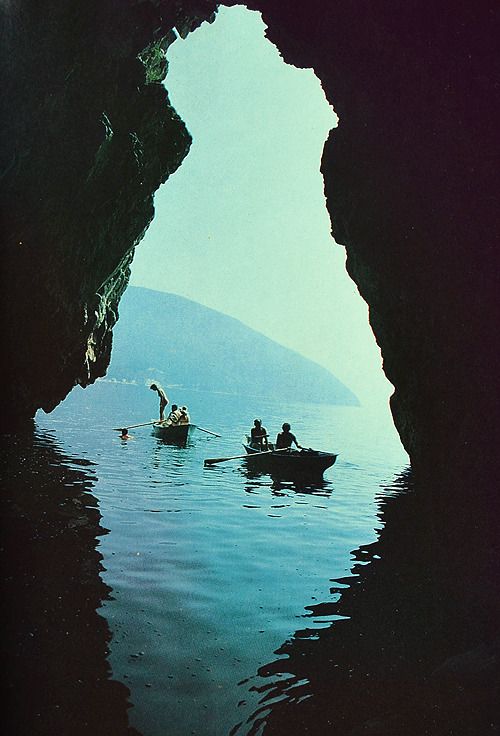
The strongest frame is not "ancient aliens plus crypto." That is too easy, and too low-resolution. The sharper frame is a protocol for moving between symbolic, optical, computational, and physical descriptions without confusing them for the same thing.
Compress the address until the destination can be verified without being exposed.
Let the membrane display uncertainty as surface motion rather than error.
Use coherence as the threshold condition: no phase, no passage.
Enter only when symbol, signal, field, and body agree enough to hold shape.
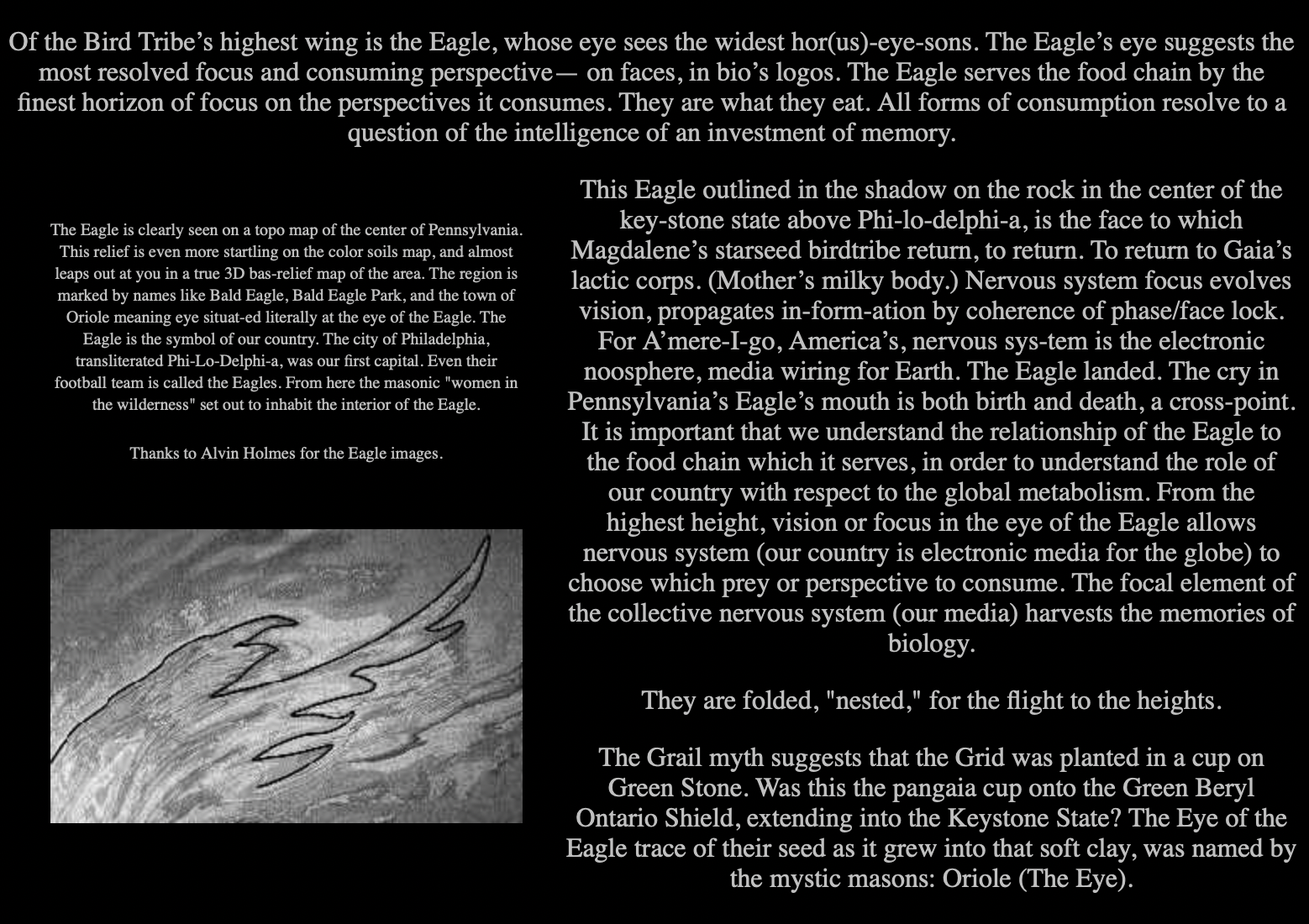
The text-heavy Eagle/Pleiades fragments are treated as background strata: phase maps, focus, the eye as resolution engine, awareness as something consumed, folded, and returned through the grid.